Upper extremity
Fingers and pulleys, wrists, elbows, and shoulders — including crimp load, overhead stability, and forearm capacity.
Telehealth · California
Screen-to-screen assessment and return-to-sport planning built around how you actually move on rock and plastic — not generic rest advice.
The approach
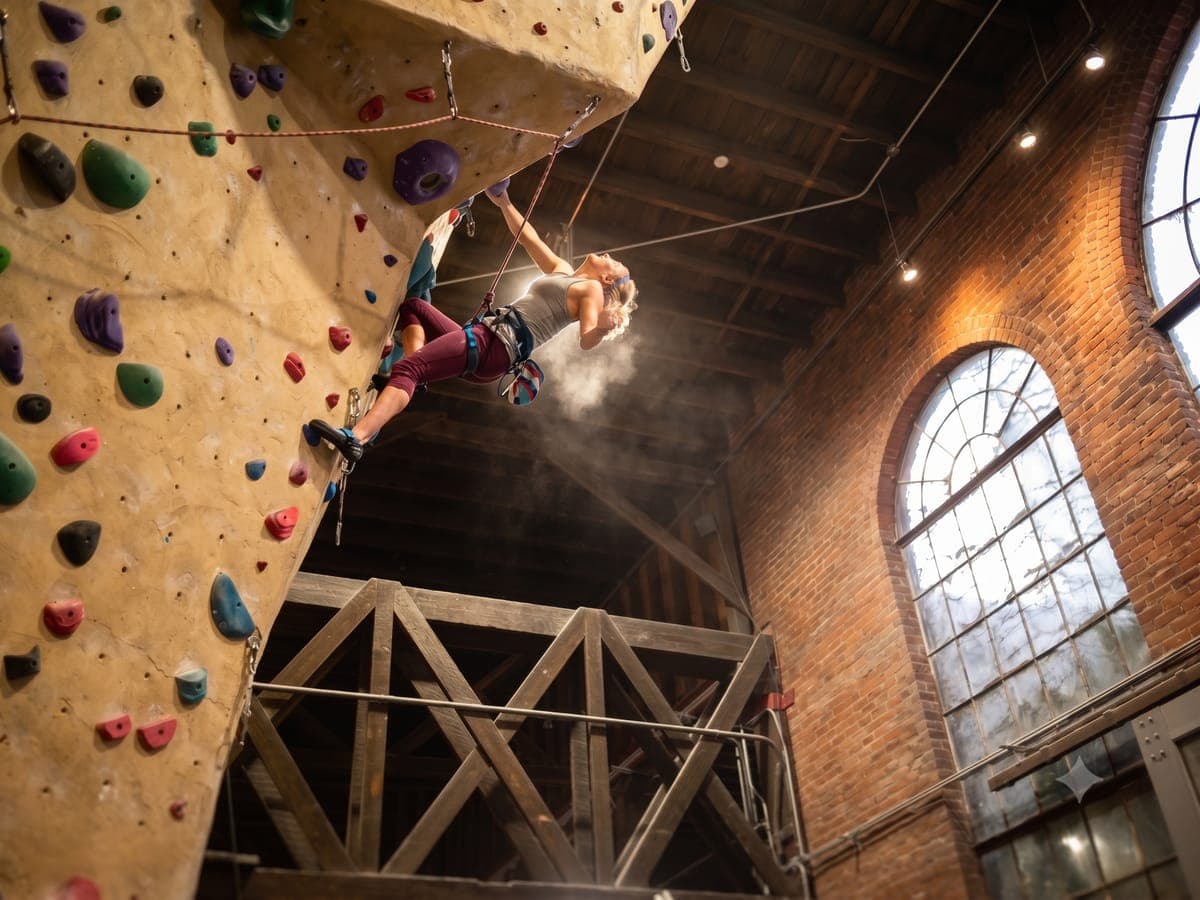
Generic rest advice ignores how you actually load a crimp, heel hook, high step, or mantel. Sessions are built around the sport — and around getting you back on rock with a plan.
Telehealth PT with The Send Doctor starts with how you climb, not a generic clinic template. We’ll dig into recent training, injury history, and the movement patterns that keep re-irritating tissue — fingers to feet, plus the spine and trunk that tie it together — then build a progression you can actually follow between gym sessions and outdoor days.
PT visits are available when you're in California at the time of the appointment.
You’ll leave the first visit with clear dos and don’ts, exercise priorities, and metrics for when it’s smart to project again. PT follow-ups exist to adjust load as your climbing calendar moves — not to keep you on a treadmill of vague “mobility work.”
Focus areas
Climbing is a full-body sport. We treat what the wall actually demands — from fingertips to feet, and the chain in between.
Fingers and pulleys, wrists, elbows, and shoulders — including crimp load, overhead stability, and forearm capacity.
Hips, knees, ankles, and feet — heel hooks, high steps, drop-knees, landings, and the walking/approach load that shows up around climbing.
Neck, mid-back, and low back irritations tied to posture, belaying, hiking approaches, and how the whole chain moves on the wall.
Clear criteria for when to ease back onto projects — not a blanket “stop for six weeks.”
Sessions
Two appointment lengths — pick based on whether you’re starting care or already mid-plan.
You complete intake before we meet. The visit is movement on camera, a working plan, and climbing load decisions — not a full in-person exam over video.
A short check-in form before the call, then progress, plan tweaks, and load decisions once you’re already in PT care.
Not sure which to book? Start with a 15-min discovery call.
The route
History is collected before we meet. The video visit is for movement, a working diagnosis, and a plan you can climb on.
01
New to PT here → 45-min initial eval. Already in care → 30-min follow-up. You need to be in California at appointment time.
02
After you book an eval, you’ll get the clinical intake form and telehealth consent. Finish them at least 24 hours before we meet so the visit can be movement, not a history interview.
03
Quiet space, webcam with a full-body angle, room to squat or hang if needed, and the shoes or tools you climb in. We watch what the camera can show — not a clinic palpatory exam.
04
Dos and don’ts, a short home program, and criteria for when to project again. Follow-ups adjust load as your climbing calendar moves.
After you book
No mystery box. Calendar first, then intake, then we meet on video.
Video exam
Telehealth is honest about its limits. We do not pretend a Meet call is a clinic table.
Setup
A usable camera angle matters more than a perfect home gym.
Fit check
Ready to get eyes on the injury?
Book an initial eval if you'll be in California at appointment time — or discovery if you want to talk it through first.
Out of state
Physical therapy is available when you are in California at the time of the appointment. If you need a clinician elsewhere, use the network directory below to find a climbing-focused PT near you.